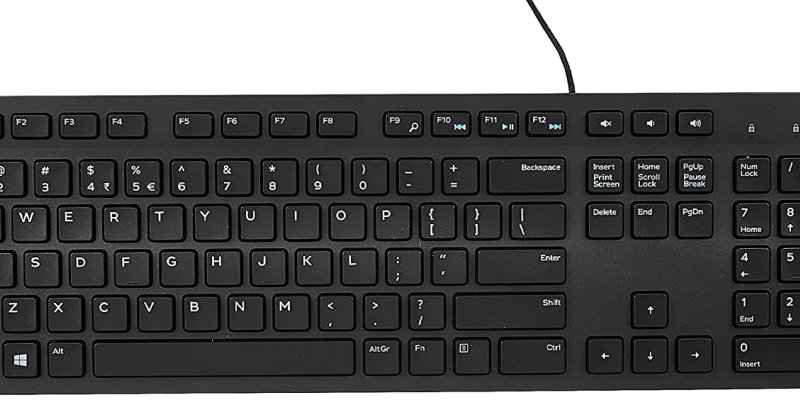
When typing on an English International keyboard mapped for the UK, there are a few symbols that are difficult to find and type, because the markings on the keys do not match the symbols produced. This is especially frustrating on the command line, where you need # | ~ frequently, and can't tolerate...
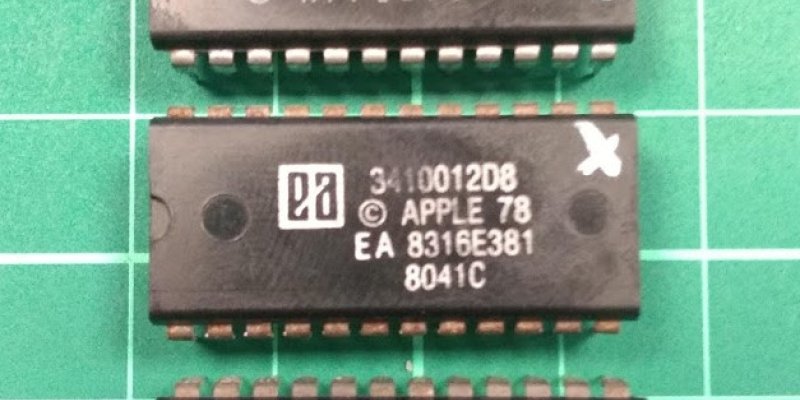
As part of my repair series on the Europlus, the next step I'm taking to investigate the "screen full of question marks" is to ensure the ROMs are working, valid chips.
As before, I decided to use my TL866II to dump the ROMs, with suitable mapping of pins between the ROMs, and a similar ROM that t...
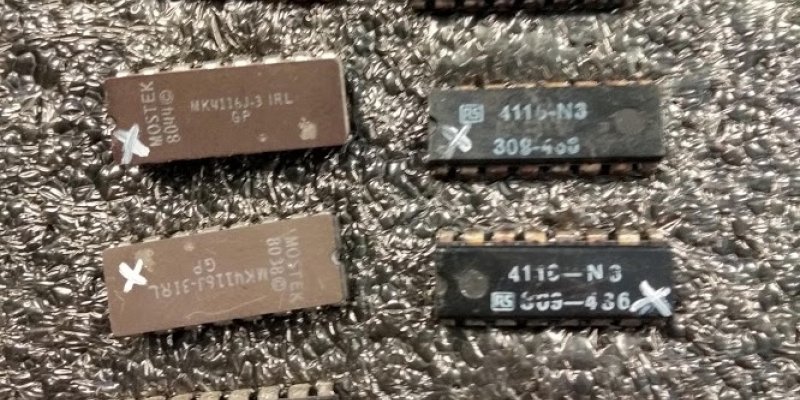
The Apple II Europlus uses 4116 type RAM ICs.
On my board, there were about 4 different manufacturers and speeds - obviously some have failed in the past and have been replaced. Without a booting machine however, how can I test that the RAM is working OK?
Thankfully, a circuit for testing 4164 I...
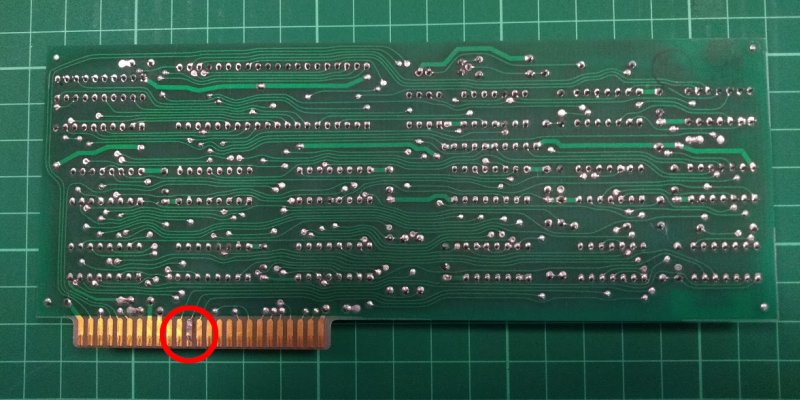
The Z80 softcard is somewhat of a curiosity. Released in 1980, it added a Z80 CPU to the Apple II, allowing CP/M (a popular business operating system) to be ran.
With CP/M gave the ability to run programs like WordStar, dBase, programming languages like PASCAL, and interactive adventures, such as...
I had previously programmed an ATmega328P using AVRDude - this was some time ago, and I was not even sure what program I had applied.
When I attempted to overwrite the program using the Arduino IDE, I hit a dead end. I got the error message:
stk500_recv(): programmer is not responding
It was c...
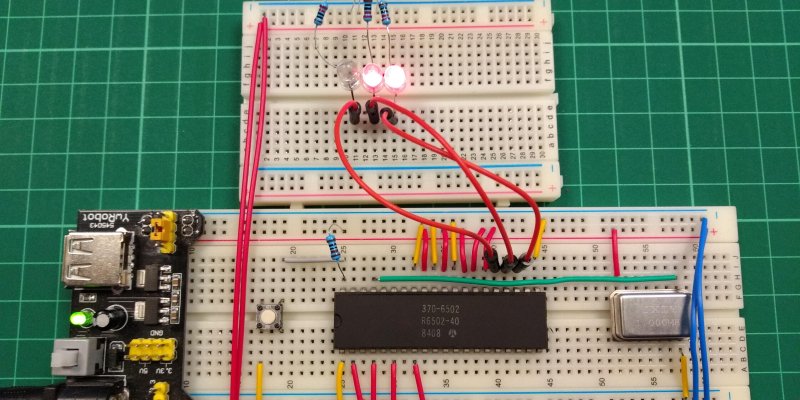
As part of the repair process for the Apple II Europlus, I have been testing each IC on the motherboard, to ensure it is working correctly. I have been able to test many of the 74 series ICs with my Xgemu 866 Universal Programmer, but there are some ICs that require more complex circuits to test tha...
